Understanding Endometriosis
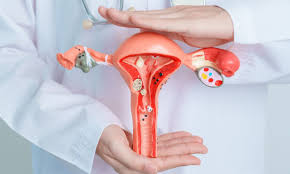
Endometriosis is a condition where tissue similar to the uterine lining (endometrium) grows outside the uterus. It can affect areas such as the ovaries, fallopian tubes, abdominal cavity, bowel, urinary bladder, ureter, and sometimes the muscle layer of the uterus (adenomyosis). In rare cases, it may also occur in the diaphragm or lungs. It is estimated that around 25 million women in India are affected, and 1 in 10 women of reproductive age may develop endometriosis.
Causes of Endometriosis
The exact cause of endometriosis is not fully known. Several theories include retrograde menstruation (backflow of menstrual blood into the abdomen), genetic factors, inflammation, immune system changes, and cellular transformation. Since no single cause explains the condition completely, it is believed to develop due to a combination of these factors.
Why Treatment is Important
Endometriosis can cause severe pelvic pain, painful periods, and fertility problems, affecting both physical and emotional wellbeing. Early diagnosis and treatment help control symptoms, prevent complications, and improve quality of life.
Who Can Treat Endometriosis
Treatment should be provided by a gynecologist trained in managing endometriosis, particularly those skilled in minimally invasive procedures such as laparoscopic and robotic surgery, which allow precise treatment and faster recovery.
Who Can Be Affected
Endometriosis can affect girls and women between the ages of 13 and 50. Severe period pain that disrupts daily activities may be an early warning sign. The condition is found in about 40% of women with infertility and 70–80% of women with chronic pelvic pain.